Türkiye and the EU: Time to Rewrite an Outdated Agreement
Erdoğan Calls for a Reset in Türkiye-EU Relations
In a recent joint press conference with European Commission President Ursula von der Leyen, President Recep Tayyip Erdoğan made a clear and urgent call:
“The customs union should be updated again and visa liberalization negotiations should be resumed.”
This statement highlights a long-standing issue in Türkiye-EU relations — a framework that has not kept pace with the times and no longer reflects the political, economic, or digital realities of either side.
A Customs Union Stuck in the Past
Originally signed in 1996, the Türkiye-EU Customs Union belongs to a completely different era. It was created before the digital revolution transformed global trade and left out:
- Digital commerce
- Services
- Public procurement
Even more glaring is the lack of freedom of movement, a limitation that increasingly undermines the partnership. As the global economy evolves, both sides are hamstrung by an outdated agreement that limits potential rather than unlocking it.
Economic Potential of a Modernized Union
Experts suggest that an updated deal could:
- Significantly boost Türkiye’s GDP
- Open EU service markets to Turkish providers
- Nearly double agricultural exports from Türkiye to the EU
EU Diplomats Acknowledge the Flaws
The need for reform isn’t just coming from Ankara. Senior EU officials have begun voicing their own frustrations with the status quo.
Thomas Ossowski, the EU Ambassador to Türkiye, called it:
“Shameful and unacceptable that a NATO ally and EU candidate country still faces these barriers.”
His remarks echo a growing sentiment in Brussels: the current system is politically and economically unsustainable. Despite Türkiye’s key contributions to European security, trade, and energy, its citizens remain locked out of the benefits enjoyed by other partners.
Not Enough Yet — But a Step Forward
While recent developments show signs of momentum, they are not enough. No single announcement can fix decades of stalled negotiations, mutual mistrust, and bureaucratic inertia. But for the first time in years, both sides seem willing to move forward.
Rather than getting lost in the fine print that has derailed past talks, the focus now must shift to long-term strategic alignment. This means prioritizing structural reforms — not symbolic gestures.
Visa Liberalization and Schengen Reform: More Than Procedure
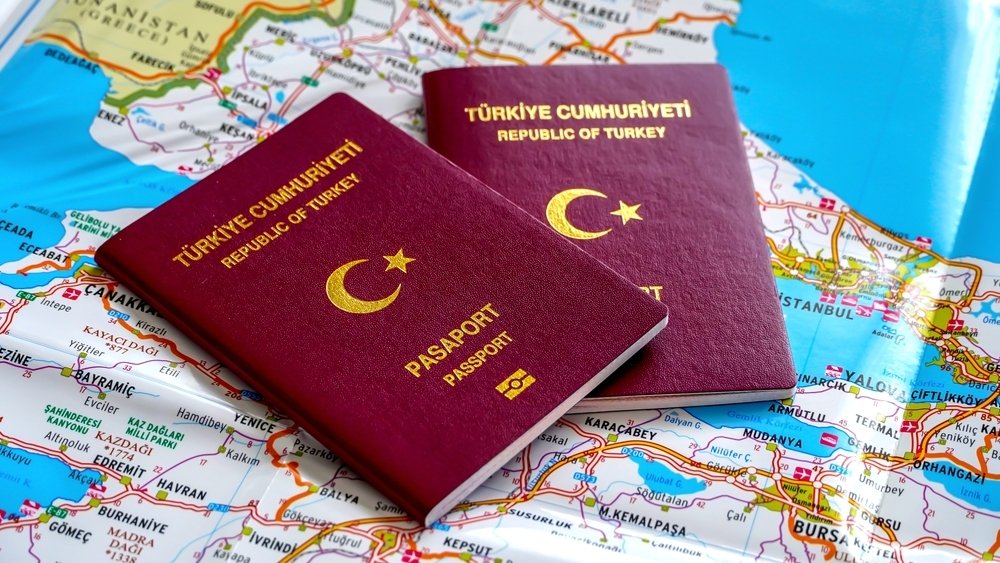
The Schengen reform currently under discussion is not just a technical update. It has the potential to be a gateway to visa freedom for Turkish citizens — a long-awaited and deeply symbolic change.
Together with an upgraded Customs Union, these reforms could lay the foundation for closer, more practical integration between Türkiye and the EU.
The Bigger Picture: Time for Pragmatism Over Politics
Years of negotiations in Strasbourg and countless committee rooms across Europe have taught one lesson: progress happens when both sides rise above procedural wrangling and focus on the bigger picture.
It’s time to reframe the Türkiye-EU relationship not as a problem to manage but as a strategic opportunity to embrace.
Conclusion: A Necessary New Beginning
This is not yet a breakthrough. But it may be the beginning of one.
As Türkiye looks westward and Europe seeks stability and strategic depth, the moment to act is now. Updating the Customs Union and achieving visa liberalization are no longer just diplomatic talking points—they are imperatives for a mutually beneficial future.
About the Author
The author is a Deputy from the AK Party representing Kayseri, a member of the Committee on EU Harmonization of the Grand National Assembly of Türkiye, a member of the Türkiye-EU Joint Parliamentary Committee (JPC), and a representative in the Parliamentary Assembly of the Council of Europe. They also chair the Türkiye-Czechia Friendship Group.