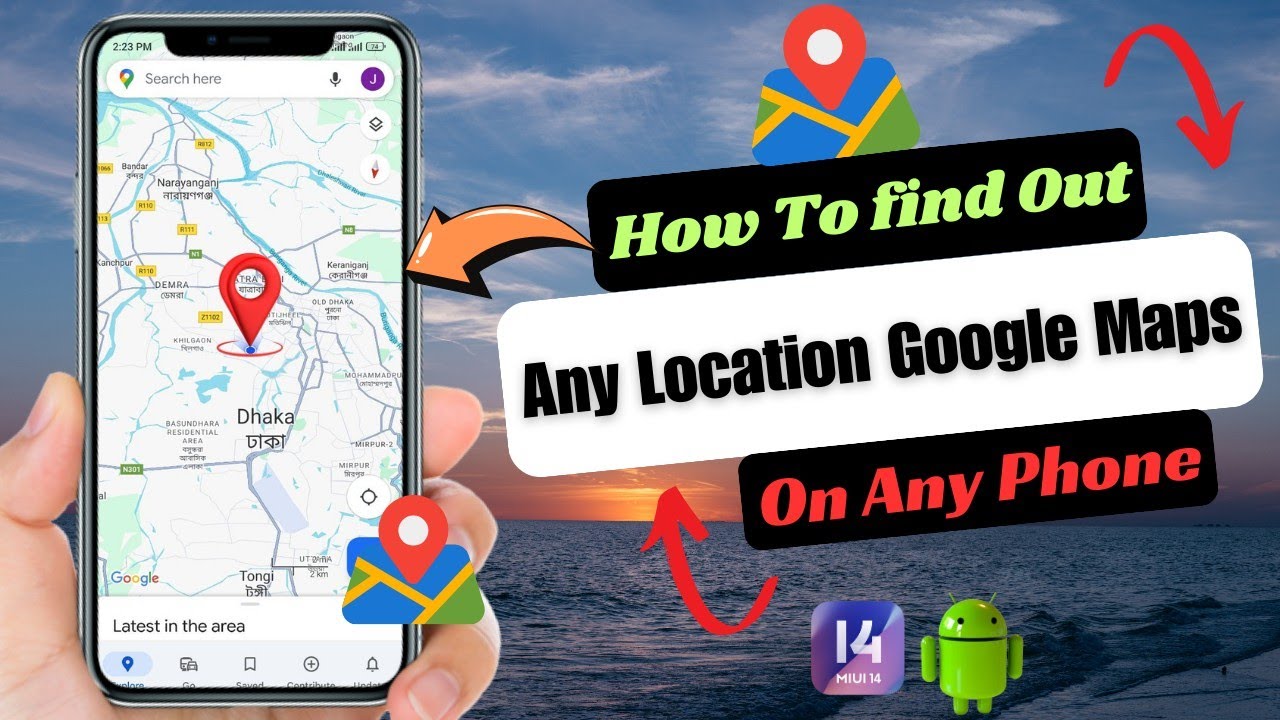
Live location tracking has become a common and valuable tool in the digital era. Whether you want to ensure a family member’s safety, monitor your own devices, or coordinate meetups easily, understanding how to view someone’s live location—ethically and responsibly—can be incredibly useful. This guide explores multiple methods, along with important privacy and safety considerations.
Introduction to Live Location Tracking
In today’s connected world, the ability to access real-time location information plays a significant role in daily life. It supports family safety, enhances business logistics, and simplifies social coordination. Despite its many benefits, live location tracking must always be approached with respect for privacy and with full consent from everyone involved.
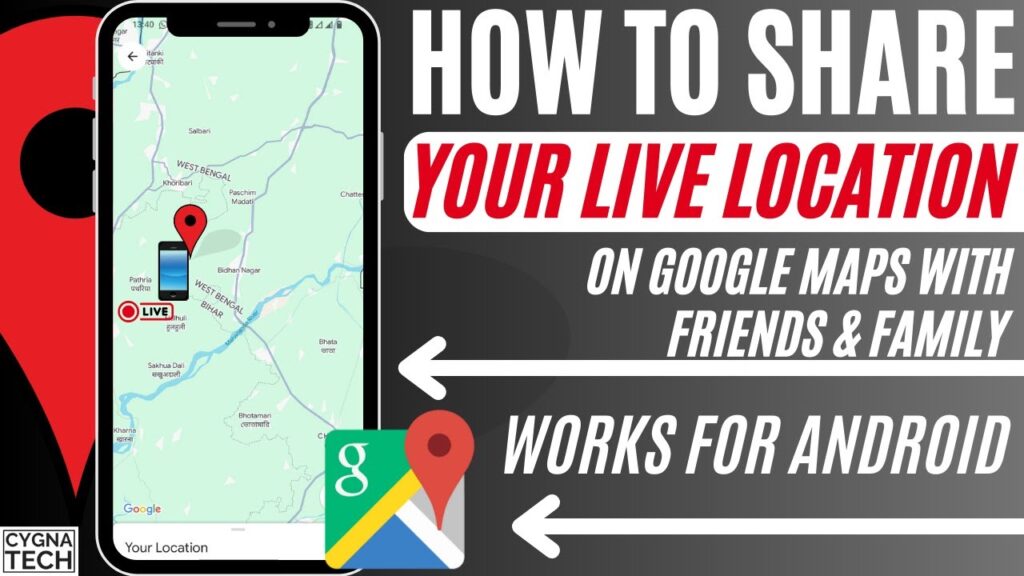
1. Using Built-In Android Features
Most Android phones include built-in location-sharing tools. These native features allow users to share their real-time location directly through their device’s settings or apps.
Google Maps Location Sharing
Android users can share their live location through Google Maps, one of the most reliable and widely used options. With just a few taps, you can:
- Share your location with selected contacts
- Set a time limit for sharing
- Stop sharing anytime
This method is simple, secure, and requires no additional apps.
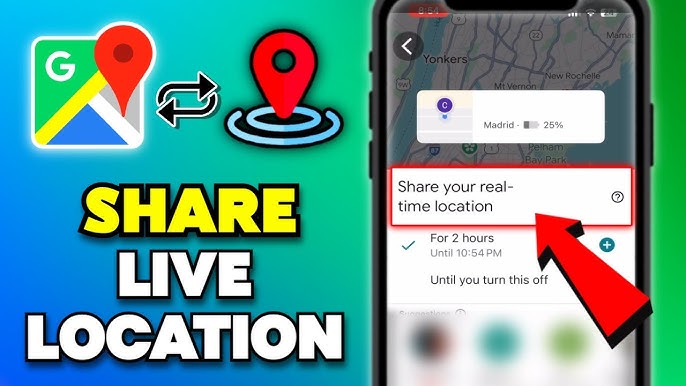
2. Third-Party Tracking Apps
For users seeking more advanced features, third-party apps offer enhanced customization and monitoring options.
Popular choices include:
- Life360
- Find My Friends (via compatible platforms)
- Google Maps advanced sharing
These apps generally allow you to form groups, view movement history, receive alerts, and manage multiple profiles. Set-up typically involves creating an account, inviting contacts, and adjusting privacy settings.
Check Location
3. Social Media Location Sharing
Many social platforms now include optional location-sharing features. Apps such as:
- Snapchat
allow users to broadcast their location temporarily or for longer periods. While convenient, these tools require extra caution—always review your privacy settings to control who can see your location.
4. GPS Tracking Devices
If you need more precise or independent tracking, dedicated GPS devices provide robust real-time monitoring.
Examples include:
- Wearable trackers
- Keychain or bag trackers
- Car-mounted GPS units
These devices are useful for tracking children, pets, vehicles, or valuable assets. They operate independently of smartphones and often offer highly accurate data.
5. Privacy and Legal Considerations
Live location tracking comes with serious ethical and legal responsibilities. In many regions, tracking someone without their consent is illegal and violates privacy laws.
Always ensure:
- You have explicit consent
- You respect personal boundaries
- You comply with local regulations
Failing to do so can lead to legal consequences and harm trust in relationships.
6. Safety Concerns and Precautions
Misuse of location data can lead to stalking, harassment, or exploitation. To stay safe:
- Only share your location with trusted individuals
- Use secure apps with strong privacy controls
- Disable location sharing when it’s no longer needed
Responsible use protects both you and others.
7. Alternatives to Live Location Tracking
Tracking isn’t always the best or necessary solution. Open communication, trust, and mutual understanding can often achieve the same goals without technological monitoring.
Consider alternatives such as:
- Regular check-ins
- Shared schedules
- Transparent communication about travel plans
These approaches foster healthier relationships while maintaining respect for privacy.
Conclusion
Tracking the live location of an Android phone can provide convenience, safety, and peace of mind. Whether through built-in features, third-party apps, or GPS devices, there are multiple ways to access real-time location data. However, it’s crucial to use these tools ethically, respect privacy, and follow legal guidelines. When used responsibly, live location tracking becomes a powerful and helpful resource.
FAQs
1. Is it legal to track someone’s location without permission?
In most jurisdictions, tracking someone without their consent is illegal. Always obtain explicit permission before using any tracking tools.
2. Are there risks to sharing my live location on social media?
Yes. Sharing your location publicly can expose you to stalking, harassment, or unauthorized tracking. Always double-check your privacy settings.
3. What are alternatives to location tracking?
Clear communication, regular check-ins, and transparency are effective alternatives that do not require monitoring technology.
4. How can I protect my live location data?
Use secure apps, share only with trusted individuals, and disable location sharing when unnecessary.
5. Are GPS tracking devices safe from privacy issues?
They can be safe, but improper configuration may lead to unauthorized access. Always secure your device and restrict access to trusted users.