
Full Coverage vs Liability Car Insurance in the USA – Which One Saves You More Money?
Car insurance is one of the most important financial tools for drivers in the United States, yet many people struggle to decide which type of coverage is right for them. The debate between full coverage and liability insurance is especially common because both options serve different purposes and come with different costs. While liability insurance is often seen as the cheapest option, it may not provide enough protection in real-world situations where accidents, theft, or unexpected damage can occur. On the other hand, full coverage insurance offers a broader safety net but comes with higher monthly premiums that can strain your budget if not planned properly. Understanding which option saves you more money requires looking beyond just the monthly cost and considering long-term financial risks, repair expenses, and personal circumstances. This guide will help you break down every aspect of full coverage vs liability insurance so you can make a smart and profitable decision.
Understanding Car Insurance in the United States
Car insurance in the United States operates as a legally required agreement between drivers and insurance companies, designed to provide financial protection in case of accidents or damages. Each state has its own minimum requirements, but most require drivers to carry at least liability insurance to cover damages caused to other people or their property. Insurance companies determine premiums based on several factors, including your driving history, age, location, type of vehicle, and even your credit score in some cases. This means that two people with similar cars may pay very different rates depending on their risk profile. Understanding how these factors influence your premium is essential because it helps you choose the right level of coverage without overpaying. Additionally, car insurance is not just about meeting legal requirements; it is about protecting your financial future from unexpected expenses that could otherwise be overwhelming.
What Is Liability Car Insurance?
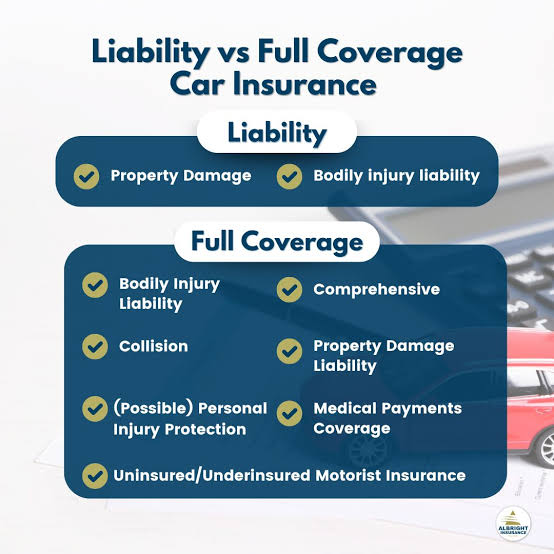
Liability car insurance is the most basic form of coverage and is required by law in most states. It is designed to cover damages that you cause to other people in an accident, including both bodily injury and property damage. Bodily injury liability pays for medical bills, lost wages, and legal fees if someone is injured due to your actions, while property damage liability covers the cost of repairing or replacing another person’s vehicle or property. However, liability insurance does not cover your own vehicle or your medical expenses, which is why it is significantly cheaper than full coverage. This type of insurance is ideal for drivers who own older cars or have limited financial resources, as it allows them to meet legal requirements without paying high premiums. Despite its affordability, liability insurance carries a higher level of financial risk because any damage to your own vehicle must be paid out of pocket.
What Liability Insurance Covers
Liability insurance primarily focuses on protecting other people from financial loss caused by your actions as a driver. This includes covering medical expenses for injured parties, compensation for lost wages, and legal fees if a lawsuit arises from an accident. Property damage liability also ensures that repairs to another person’s car or property are paid for, preventing you from having to cover these costs yourself. This type of coverage is essential for meeting legal requirements and avoiding penalties such as fines or license suspension. However, it is important to understand that liability insurance does not extend to your own vehicle or personal injuries, which can lead to significant out-of-pocket expenses in the event of an accident. For this reason, drivers must carefully evaluate whether the lower cost of liability insurance is worth the increased financial risk.
What Liability Insurance Does Not Cover
One of the biggest limitations of liability insurance is what it does not cover, which can have serious financial implications for drivers. It does not pay for repairs to your own vehicle, even if the accident was not your fault, unless the other driver is insured and accepts responsibility. Additionally, liability insurance does not cover theft, vandalism, natural disasters, or other non-collision incidents that could damage your car. Medical expenses for you and your passengers are also not included, meaning you would need separate coverage or pay out of pocket. These gaps in coverage make liability insurance a risky choice for drivers who rely heavily on their vehicles or cannot afford unexpected expenses. While it is the cheapest option available, the lack of comprehensive protection can lead to higher costs in the long run if something goes wrong.
What Is Full Coverage Car Insurance?
Full coverage car insurance is a more comprehensive option that combines multiple types of coverage to provide a higher level of protection. It typically includes liability insurance along with collision and comprehensive coverage, ensuring that both you and other parties are financially protected in a wide range of situations. Collision coverage pays for damage to your vehicle after an accident, regardless of who is at fault, while comprehensive coverage protects against non-collision incidents such as theft, fire, vandalism, and natural disasters. This combination makes full coverage insurance a popular choice for drivers who want maximum protection and peace of mind. Although it comes with higher premiums, full coverage can save you money by covering expensive repairs or replacement costs that would otherwise be paid out of pocket. For many drivers, especially those with newer or financed vehicles, full coverage is not just an option but a necessity.
Collision Coverage Explained
Collision coverage is a key component of full coverage insurance, providing financial protection for your vehicle in the event of an accident. This includes collisions with other vehicles, objects such as trees or poles, and even single-car accidents where you may have lost control of the vehicle. One of the biggest advantages of collision coverage is that it pays for repairs regardless of who is at fault, which can be especially helpful in situations where fault is disputed or the other driver is uninsured. However, collision coverage typically comes with a deductible, which is the amount you must pay out of pocket before the insurance company covers the remaining costs. Choosing a higher deductible can lower your monthly premium, but it also increases your financial responsibility in the event of a claim. Understanding how collision coverage works is essential for determining whether full coverage insurance is worth the cost.
Comprehensive Coverage Explained
Comprehensive coverage is another important part of full coverage insurance, offering protection against a wide range of non-collision incidents. This includes theft, vandalism, fire, natural disasters, falling objects, and even damage caused by animals. Unlike collision coverage, which only applies to accidents, comprehensive coverage protects your vehicle in situations that are often beyond your control. This type of coverage is particularly valuable for drivers who live in areas prone to extreme weather conditions or high rates of vehicle theft. Like collision coverage, comprehensive insurance also involves a deductible, which can be adjusted to balance your monthly premium and out-of-pocket costs. By covering a wide range of risks, comprehensive insurance provides an added layer of security that can save you significant money in the long run, especially if your vehicle is expensive or essential to your daily life.
Key Differences Between Full Coverage and Liability Insurance
The main difference between full coverage and liability insurance lies in the level of protection they offer and the financial risk they carry. Liability insurance is designed to protect other people from damages you cause, while full coverage extends that protection to include your own vehicle and a broader range of incidents. This means that liability insurance is cheaper but leaves you exposed to higher out-of-pocket costs in the event of an accident or damage. Full coverage, on the other hand, provides a comprehensive safety net that reduces your financial risk but comes with higher monthly premiums. Another important difference is the inclusion of deductibles in full coverage policies, which require you to pay a certain amount before the insurance company covers the rest. Understanding these differences is crucial for making an informed decision that aligns with your financial situation and risk tolerance.
Cost Comparison: Which One Is Cheaper?
When comparing the costs of full coverage and liability insurance, liability insurance is clearly the cheaper option in terms of monthly premiums. On average, drivers can expect to pay between $50 and $100 per month for liability insurance, while full coverage typically ranges from $150 to $300 per month. This difference can make a significant impact on your budget, especially if you are trying to minimize expenses. However, it is important to consider what you are getting for the price you pay. Liability insurance only covers damages to others, meaning you are responsible for your own repair costs, which can quickly add up. Full coverage, although more expensive, provides a higher level of protection that can save you money in the event of an accident or other damage. Ultimately, the cheaper option is not always the most cost-effective in the long run, making it important to evaluate both short-term and long-term costs.
When Liability Insurance Saves You More Money
Liability insurance can save you more money in situations where the cost of full coverage exceeds the value of your vehicle or your financial risk is relatively low. For example, if you own an older car with a low market value, paying high premiums for full coverage may not be worth it because the potential payout in the event of a claim would be limited. In such cases, liability insurance allows you to meet legal requirements while keeping your monthly expenses low. Additionally, drivers who have a strong financial cushion and can afford to pay for repairs or replacement out of pocket may benefit from choosing liability insurance. This approach can free up money for other financial goals, such as saving or investing. However, it is important to carefully consider the risks involved, as a single accident could result in significant expenses that outweigh the savings from lower premiums.
When Full Coverage Saves You More Money
Full coverage insurance can save you more money in situations where the potential cost of repairs or replacement is high, making the additional premiums worthwhile. For drivers with newer or more expensive vehicles, the cost of repairing damage after an accident can be substantial, and full coverage ensures that these expenses are largely covered by the insurance company. This is especially important for individuals who cannot afford to pay for major repairs or replace their vehicle out of pocket. Full coverage also provides protection against theft and natural disasters, which can result in total loss of the vehicle. By covering these risks, full coverage reduces the likelihood of facing large unexpected expenses, making it a smart investment for long-term financial stability. While the monthly cost is higher, the potential savings in the event of a claim can far exceed the additional premiums, making full coverage a more cost-effective option in many cases.
Final Conclusion
Choosing between full coverage and liability car insurance is not just about finding the cheapest option but about making a decision that protects your financial future. Liability insurance offers lower monthly premiums and is suitable for drivers with older vehicles or limited budgets, but it comes with higher financial risk. Full coverage, while more expensive, provides a comprehensive safety net that can save you money in the long run by covering a wide range of potential damages. The best choice depends on your individual circumstances, including your vehicle’s value, your financial situation, and your tolerance for risk. By carefully evaluating these factors and understanding the true cost of each option, you can make an informed decision that balances affordability with protection. Ultimately, the goal is to choose a policy that not only meets your immediate needs but also safeguards you against unexpected financial challenges.